
Maximize Your Business Growth with POS Solutions
In today's fast-paced retail environment, businesses are constantly seeking ways to enhance efficiency, improve customer experience, and ultimately drive growth. One of the most effective tools at your disposal is a Point of Sale (POS) system. These systems have evolved far beyond simple cash registers; they are now comprehensive solutions that can transform how you manage your business. In this post, we will explore how POS solutions can maximize your business growth, streamline operations, and improve customer satisfaction.
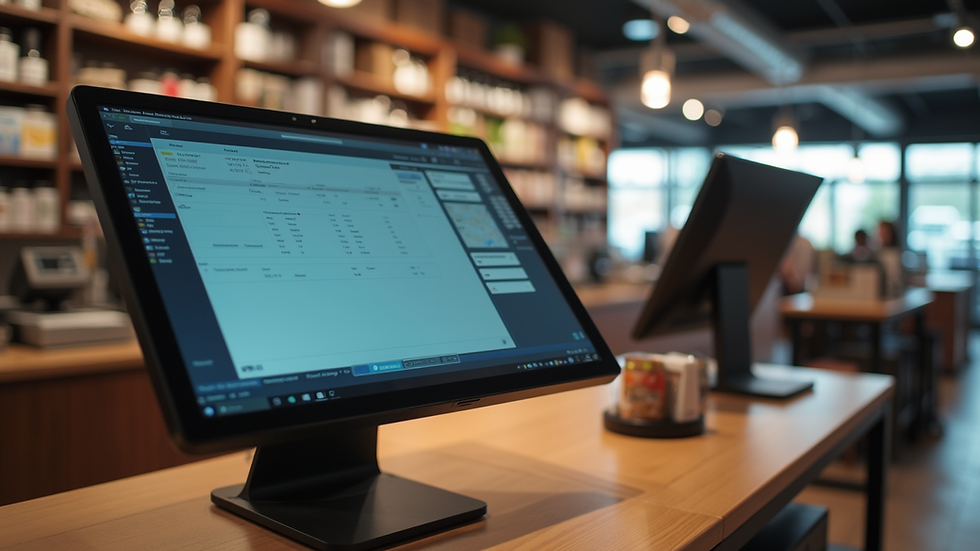
Understanding POS Solutions
What is a POS System?
A Point of Sale system is a combination of hardware and software that allows businesses to complete sales transactions. At its core, a POS system processes sales, but it also offers a range of additional features that can help businesses manage inventory, track customer data, and analyze sales trends.
Key Components of a POS System
Hardware: This includes the physical components such as registers, barcode scanners, receipt printers, and payment terminals.
Software: The software component manages sales transactions, inventory, and customer data. It can be cloud-based or installed on local servers.
Payment Processing: Modern POS systems support various payment methods, including credit/debit cards, mobile payments, and digital wallets.
Benefits of Implementing a POS System
Enhanced Efficiency
One of the primary benefits of a POS system is the efficiency it brings to your operations. Traditional cash registers require manual entry, which can lead to errors and slow down the checkout process. A POS system automates many of these tasks, allowing for quicker transactions and reducing wait times for customers.
Improved Inventory Management
Managing inventory can be a daunting task, especially for businesses with a large number of products. POS systems provide real-time inventory tracking, enabling you to monitor stock levels, set reorder alerts, and analyze sales data to make informed purchasing decisions. This not only helps prevent stockouts but also reduces excess inventory, saving you money.
Enhanced Customer Experience
In today's competitive market, providing an exceptional customer experience is crucial. A POS system can help you achieve this by offering features such as:
Loyalty Programs: Many POS systems allow you to create and manage customer loyalty programs, encouraging repeat business.
Personalized Service: By tracking customer purchase history, you can tailor your marketing efforts and provide personalized recommendations.
Faster Checkout: With streamlined transactions, customers can complete their purchases quickly, leading to higher satisfaction.
Data-Driven Insights
A POS system collects valuable data that can help you make informed business decisions. By analyzing sales trends, customer preferences, and inventory turnover, you can identify areas for improvement and capitalize on opportunities for growth. For example, if you notice a particular product is consistently selling well, you might consider increasing your stock or promoting it further.
Choosing the Right POS System for Your Business
Assess Your Needs
Before selecting a POS system, it's essential to assess your business needs. Consider factors such as:
Business Size: Larger businesses may require more advanced features, while smaller operations might benefit from simpler systems.
Industry: Different industries have unique requirements. Retail, restaurants, and service-based businesses may need different functionalities.
Budget: Determine how much you are willing to invest in a POS system. Keep in mind that while some systems may have a lower upfront cost, they could incur higher transaction fees or require costly add-ons.
Research Available Options
Once you have a clear understanding of your needs, research available POS systems. Look for reviews, compare features, and consider reaching out to other business owners for recommendations. Some popular POS systems include:
Square: Known for its user-friendly interface and affordability, Square is an excellent choice for small businesses.
Shopify POS: Ideal for retailers, Shopify POS integrates seamlessly with online stores, making it easy to manage both online and in-store sales.
Toast: A robust solution for restaurants, Toast offers features tailored to the food service industry, such as table management and online ordering.
Test Before You Commit
Many POS providers offer free trials or demos. Take advantage of these opportunities to test the system's features and ensure it meets your business needs. Pay attention to the user interface, ease of use, and customer support options.
Integrating Your POS System with Other Tools
Accounting Software
Integrating your POS system with accounting software can streamline your financial processes. This integration allows for automatic syncing of sales data, reducing the need for manual data entry and minimizing errors. Popular accounting software options include QuickBooks and Xero.
E-commerce Platforms
If you sell products online, integrating your POS system with your e-commerce platform can provide a unified view of your sales. This integration ensures that inventory levels are updated in real-time, preventing overselling and improving customer satisfaction.
Customer Relationship Management (CRM) Systems
A CRM system can help you manage customer relationships more effectively. By integrating your POS system with a CRM, you can track customer interactions, manage loyalty programs, and analyze customer data to improve marketing efforts.
Training Your Staff
Importance of Training
Implementing a new POS system can be a significant change for your staff. Proper training is essential to ensure that employees are comfortable using the system and can maximize its features. A well-trained staff can provide better customer service and improve overall efficiency.
Training Methods
Consider using a combination of training methods to accommodate different learning styles:
Hands-On Training: Allow staff to practice using the system in a controlled environment.
Online Tutorials: Many POS providers offer online resources and tutorials that staff can access at their convenience.
Ongoing Support: Ensure that employees know where to find help if they encounter issues while using the system.
Measuring Success
Key Performance Indicators (KPIs)
To determine the effectiveness of your POS system, establish key performance indicators (KPIs) that align with your business goals. Some common KPIs to track include:
Sales Growth: Monitor overall sales growth and identify trends over time.
Customer Retention Rate: Track how many customers return for repeat purchases.
Inventory Turnover: Measure how quickly inventory is sold and replaced.
Regular Reviews
Conduct regular reviews of your POS system's performance. Analyze the data collected and assess whether the system is meeting your business needs. If you find areas for improvement, consider adjusting your processes or exploring additional features.
Conclusion
Investing in a POS system can significantly impact your business growth. By enhancing efficiency, improving inventory management, and providing valuable insights, a POS solution can help you stay competitive in today's market. As you explore your options, remember to assess your needs, choose the right system, and train your staff effectively. With the right POS solution in place, you can focus on what matters most: growing your business and delighting your customers.
Take the next step in maximizing your business growth by exploring POS solutions that fit your unique needs. The right system can be a game-changer, paving the way for increased efficiency and customer satisfaction.


Comments